Landscaping in Chinatown: Creating Beautiful, Functional Outdoor Spaces with Local Character
Landscaping in Chinatown is more than planting flowers or trimming hedges. It is a thoughtful way to shape outdoor environments that reflect cultural identity, support daily life, and make compact urban spaces feel welcoming. In a neighborhood known for its dense streets, vibrant storefronts, and strong community presence, well-planned landscaping in Chinatown can transform rooftops, courtyards, sidewalks, and small yards into attractive, practical spaces.
Because Chinatown often combines historic buildings, mixed-use properties, narrow lots, and heavy foot traffic, outdoor design must be both beautiful and durable. The best Chinatown landscaping projects balance aesthetic appeal with practical needs such as shade, privacy, stormwater management, and low-maintenance care. Whether the goal is to improve a private residence, a business frontage, a community courtyard, or a public green space, the right approach can make a meaningful difference.
For property owners, managers, and community organizations, landscaping in Chinatown can also improve curb appeal, encourage visitors, and create a stronger sense of place. From traditional plant choices to modern hardscape features, every detail matters. In an area with cultural richness and intense urban activity, landscaping is not just decoration. It is part of the neighborhood’s identity and daily function.
Why Landscaping in Chinatown Needs a Specialized Approach

Chinatown districts often face unique design constraints that make standard landscaping solutions less effective. Space is limited, soil conditions may be poor, and available sunlight can vary widely because of tall buildings or closely packed structures. These realities mean that Chinatown landscaping needs tailored planning rather than a one-size-fits-all approach.
Another important factor is the neighborhood’s cultural and visual context. Landscaping should complement the architectural character of the area while remaining practical for residents and business owners. In many cases, this means choosing plants, materials, and layouts that feel harmonious with traditional storefronts, mixed-use buildings, and community gathering areas. A well-designed landscape can respect the local environment while still introducing freshness and balance.
Urban conditions also create challenges such as pollution, compacted soil, heat buildup, and drainage problems. In response, professional landscaping in Chinatown often includes resilient plant species, smart irrigation systems, and hardscaping that supports long-term performance. Durability is just as important as appearance, especially in spaces that receive heavy use or limited seasonal care.
Key Benefits of Professional Chinatown Landscaping

Investing in landscaping in Chinatown offers benefits that extend well beyond visual improvement. A carefully designed outdoor space can increase property value, support community well-being, and make commercial or residential areas more inviting. For business owners, a polished landscape can improve first impressions and help draw attention to entrances, seating areas, and walkways.
For residents, greenery can soften hard city surfaces and create a calmer environment. Even small additions such as planters, shrubs, or vertical gardens can reduce visual clutter and bring a sense of nature into dense surroundings. In a neighborhood where outdoor space may be limited, these changes can have an outsized impact on comfort and quality of life.
Professional landscaping in Chinatown also supports environmental goals. Thoughtful plant selection and water-efficient design can help reduce maintenance demands while improving air quality and mitigating heat. In busy urban settings, that combination of beauty and function is especially valuable.
- Improved curb appeal for homes and businesses
- Better use of limited space through efficient layouts
- Increased shade and comfort in seating and walkway areas
- Lower maintenance needs with smart plant choices
- More welcoming public-facing spaces for visitors and neighbors
Popular Elements in Chinatown Landscaping Projects
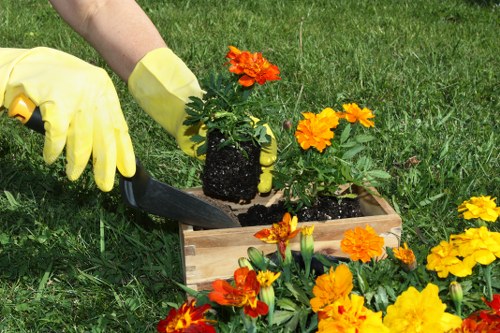
Successful landscaping in Chinatown often combines softscape and hardscape elements to create a balanced, functional environment. Softscape includes plants, trees, lawns, and flowering features, while hardscape includes paving, walls, seating, steps, and decorative structures. When these components work together, the result is a space that feels cohesive and easy to maintain.
Many projects in Chinatown also use compact, vertical, or modular solutions to make the most of tight areas. This can include raised beds, container gardens, trellises, and wall-mounted greenery. These features are especially useful in alleys, patios, rooftops, and small courtyards where ground space is limited. They allow property owners to enjoy greenery without overcrowding the area.
Lighting is another important element. Good outdoor lighting improves safety, highlights focal points, and extends usability into the evening. In a neighborhood that often stays active after dark, lighting can make landscaping in Chinatown more inviting while ensuring walkways and entrances remain visible.
Common features used in Chinatown landscape design
- Planter boxes and container gardens
- Native or climate-adapted shrubs and perennials
- Decorative stone, brick, or paver walkways
- Privacy screens and trellises
- Small ornamental trees or columnar species
- Water-efficient irrigation systems
- Accent lighting for safety and atmosphere
When these features are carefully combined, landscaping in Chinatown can become both practical and visually memorable. The key is choosing elements that work well within the available space and support the way people actually use the area. A front entry, for example, may benefit from sturdy planters and low-maintenance shrubs, while a shared courtyard may need seating, shade, and flexible planting areas.
Another important consideration is seasonal interest. Because Chinatown properties may be viewed year-round by residents, shoppers, and passersby, it helps to select plants and materials that look good in multiple seasons. Evergreens, textured foliage, and carefully placed flowering species can keep the landscape attractive even when conditions change. This kind of planning creates a space that remains appealing through the year.
Design consistency matters as well. In neighborhoods with a strong visual identity, landscaping should feel intentional and connected to surrounding buildings and streetscape features. That may include repeating certain colors, materials, or plant forms to establish rhythm and harmony. The result is a landscape that feels rooted in place rather than inserted as an afterthought.
Plant Selection for Chinatown Landscapes

Plant selection is one of the most important parts of landscaping in Chinatown. The best choices are often resilient, adaptable, and manageable in compact settings. Since many sites deal with shade, wind, pollution, and limited root space, plants should be chosen for their ability to thrive under urban conditions.
In shaded areas, ferns, hostas, and shade-tolerant groundcovers can add greenery without demanding full sun. In sunnier zones, ornamental grasses, flowering perennials, and small trees may offer texture and seasonal color. For mixed-light conditions, versatile shrubs and container plants can provide structure while remaining easy to maintain.
Local climate also matters. A landscape that performs well in one season may struggle in another if it is not suited to temperature swings, moisture variation, or exposure. That is why landscaping in Chinatown often relies on climate-appropriate choices that reduce the need for constant replacement or intensive care. Choosing the right plant for the right place is a major factor in long-term success.
Plant qualities to prioritize
- Tolerance for urban stress and pollution
- Compact growth habits for narrow spaces
- Low to moderate water needs
- Resistance to pests and disease
- Year-round visual interest
- Compatibility with containers or raised beds
Color can also play a meaningful role. In Chinatown landscapes, vibrant foliage and flowers may echo the energy of the surrounding streets while soft greens create calm balance. A thoughtful mix of textures and colors can make even a small outdoor area feel dynamic and welcoming. For business fronts, plants can also reinforce brand identity and help create a memorable customer experience.
It is often wise to avoid overly aggressive species that can outgrow their space or require frequent pruning. Instead, the focus should be on manageable plants that support the overall design without overwhelming it. This approach helps ensure landscaping in Chinatown remains neat, functional, and visually pleasing over time.
Hardscaping and Space Planning in Dense Urban Areas
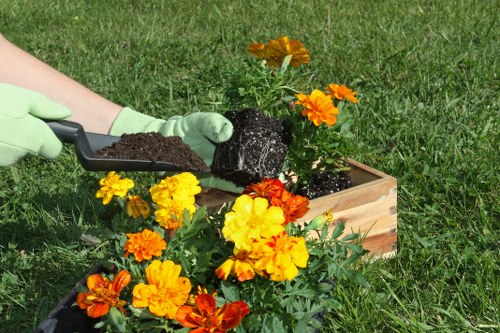
In Chinatown, hardscaping is just as important as planting. Walkways, retaining walls, benches, borders, and courtyards help organize space and improve movement in busy areas. Because many properties have limited square footage, the right layout can make a small site feel larger, more usable, and more organized.
Stone, brick, concrete pavers, and textured finishes are popular choices because they are durable and easy to maintain. These materials also create clear boundaries and can be used to guide foot traffic. In commercial areas especially, hardscaping helps define entrances and circulation paths while reducing wear on planted areas.
Space planning should also account for accessibility. A successful Chinatown landscape design should allow people of different ages and mobility levels to move comfortably through the space. That means smooth transitions, thoughtful slope management, and adequate room around seating or gathering areas. Good design supports movement as much as it supports visual beauty.
Smart space-planning strategies
- Use multi-purpose features such as benches with planter integration.
- Install vertical elements to free up ground space.
- Define pathways clearly with durable edging and surface materials.
- Keep high-traffic zones open and uncluttered.
- Use layered planting to add depth without crowding.
Rooftops and courtyards deserve special attention. These areas can offer quiet retreats in an otherwise busy district, but they require careful structural and drainage planning. Lightweight soil systems, wind-resistant plantings, and water management solutions are often needed to create long-lasting success. Landscaping in Chinatown is most effective when it respects these technical realities from the start.
When hardscape and plantings are balanced correctly, the landscape feels purposeful instead of crowded. This balance is especially valuable in Chinatown, where every square foot matters. The goal is not to fill space indiscriminately, but to shape it in a way that supports daily life, welcomes visitors, and reflects local character.
Maintenance is another major consideration in Chinatown landscaping. Even the best design can lose impact if it is not properly cared for. Regular pruning, watering, seasonal cleanup, and surface inspection help preserve both the beauty and functionality of the space. In high-traffic urban areas, maintenance also keeps walkways safe and prevents plantings from becoming overgrown or obstructive.
For property managers and owners, a maintenance-friendly design can save time and reduce long-term costs. This often means choosing durable materials, simplifying plant combinations, and placing irrigation where it can do the most good. In landscaping in Chinatown, low-maintenance does not have to mean plain. It simply means designing with realistic upkeep in mind so the space stays attractive all year.
Long-term planning is one of the strongest indicators of a successful landscape. By anticipating how plants grow, how people move, and how weather affects the site, designers can create outdoor spaces that remain functional and appealing for years. That kind of foresight makes a noticeable difference in a dense, active neighborhood like Chinatown.
Community-Focused Landscaping in Chinatown
Landscaping in Chinatown often serves more than a single property. It can support community gathering, strengthen neighborhood pride, and improve shared spaces used by many people. Public courtyards, plaza edges, school grounds, and commercial walkways all benefit from landscape design that encourages interaction and comfort.
Community-focused landscaping may include seating areas for rest, shaded zones for gatherings, or visual features that make public spaces feel more welcoming. In a culturally rich neighborhood, outdoor design can also reinforce a sense of belonging by respecting local traditions and supporting everyday social use. A well-planned landscape can become part of neighborhood life rather than just scenery.
Businesses can contribute to this atmosphere as well. Attractive storefront landscaping may improve the overall streetscape, making the area feel more vibrant and cared for. This can be especially important in Chinatown, where pedestrian activity, local commerce, and public identity are closely connected. When properties invest in their outdoor areas, the neighborhood as a whole benefits.
Practical ways landscaping supports the community
- Creates pleasant places to sit, walk, and gather
- Improves the appearance of shared streetscapes
- Helps reduce heat and visual stress in dense blocks
- Encourages neighborhood pride and stewardship
- Makes businesses and public spaces feel more inviting
These benefits show why landscaping in Chinatown should be seen as an important part of neighborhood care. It is not simply about adding greenery. It is about shaping spaces that people want to use, enjoy, and maintain together. When outdoor design reflects local values and everyday needs, it becomes a lasting asset.
Choosing the Right Landscaping Services in Chinatown
Because Chinatown presents specific design and maintenance challenges, it is important to work with professionals who understand urban landscaping conditions. A knowledgeable team can assess sunlight, drainage, traffic flow, and site constraints before creating a custom plan. That kind of expertise helps ensure that the final result is attractive and realistic to maintain.
When selecting a service provider, property owners should look for experience with small-space design, hardscape installation, plant selection, and long-term maintenance planning. They should also consider whether the provider can create solutions that respect the neighborhood’s character while meeting practical goals. In landscaping in Chinatown, cultural sensitivity and technical skill often go hand in hand.
Clear communication is essential. A well-managed project begins with understanding how the space will be used, who will maintain it, and what visual style is desired. From there, the design can be shaped to fit those needs. Whether the project involves a storefront, rooftop, courtyard, or street-facing frontage, the best results come from careful planning and attention to detail.
What to look for in a landscaping partner
- Experience with urban and compact sites
- Knowledge of resilient plant materials
- Ability to balance style with low maintenance
- Understanding of drainage and soil conditions
- Familiarity with culturally sensitive design choices
- Strong focus on long-term usability
For owners who want a more polished, functional, and appealing outdoor environment, professional landscaping in Chinatown can provide lasting value. The right team will not only improve the appearance of the site but also help it perform better under everyday conditions. That combination of form and function is what makes a landscape truly successful.
Bringing It All Together with Purpose and Style
At its best, landscaping in Chinatown brings together culture, practicality, and design. It can soften the hard edges of a dense city block, create peaceful corners for rest, and support the visual identity of an important neighborhood. With the right mix of plants, surfaces, lighting, and layout, even modest spaces can feel inviting and distinct.
The most effective projects are those that reflect how people really live and move through the area. That might mean a colorful planter arrangement for a storefront, a shaded courtyard for a residential building, or a durable pathway system for a busy public-facing space. In every case, the design should serve a purpose while still looking refined.
As Chinatown continues to evolve, outdoor spaces will remain an important part of its character and livability. Thoughtful landscaping can support that evolution by making the neighborhood greener, more welcoming, and more resilient. If you are planning an outdoor upgrade, contact us today to explore options that fit your property and your goals. Book your service now and take the next step toward a more attractive Chinatown landscape.
Landscaping in Chinatown is not just about appearance. It is about creating spaces that work, last, and contribute to the neighborhood’s identity. With professional planning and careful execution, your outdoor area can become a meaningful part of the urban environment.
Final thoughts for property owners and managers
Whether you are improving a small front garden, refreshing a business entrance, or redesigning a shared outdoor area, the right approach can make a noticeable difference. Focus on durability, balance, and character, and your Chinatown landscape can deliver beauty and function in equal measure.