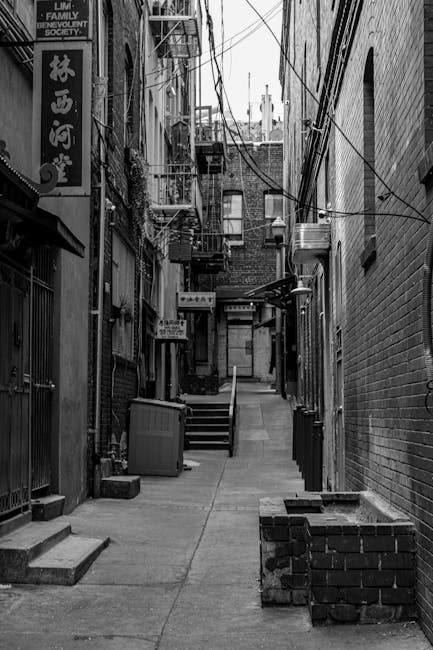
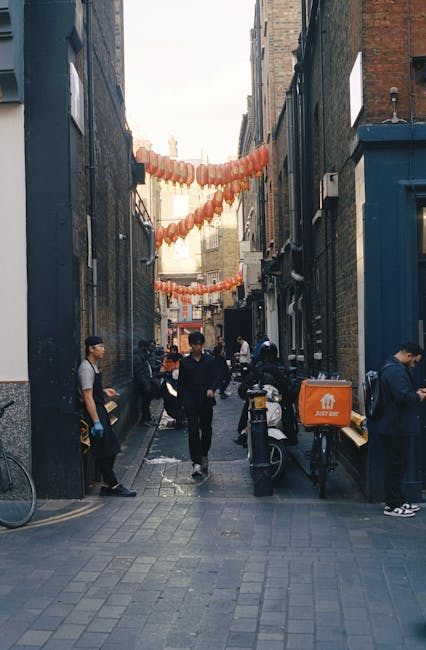
Gerrard Street gardeners for small Chinatown courtyards: practical design, planting, and maintenance for compact outdoor spaces
Small courtyards can be some of the most rewarding gardens to work on, and also some of the trickiest. On Gerrard Street, where outdoor space is often limited, shaded, overlooked, or hemmed in by brick and paving, the right gardening approach makes all the difference. Gerrard Street gardeners for small Chinatown courtyards need to think differently: every plant, surface, and storage solution has to earn its place.
This guide explains how compact courtyard gardening works, what a skilled gardener looks for, and how to turn a tight urban space into something calm, welcoming, and genuinely useful. Whether you want low-maintenance planting, better privacy, a neat seating corner, or a complete refresh of a tired patio, you'll find practical ideas here. And yes, it can be done without making the courtyard feel crowded. That's the art of it.
Table of Contents
- Why Gerrard Street gardeners for small Chinatown courtyards matters
- How Gerrard Street gardeners for small Chinatown courtyards works
- Key benefits and practical advantages
- Who this is for and when it makes sense
- Step-by-step guidance
- Expert tips for better results
- Common mistakes to avoid
- Tools, resources and recommendations
- Law, compliance, standards, or best practice
- Options, methods, or comparison table
- Case study or real-world example
- Practical checklist
- Conclusion
- Frequently asked questions
Why Gerrard Street gardeners for small Chinatown courtyards Matters
Small Chinatown courtyards are not miniature versions of larger gardens. They are their own category. Space is limited, light can be patchy, wind may funnel between buildings, and hard surfaces often dominate. In practical terms, that means ordinary garden planning can go wrong very quickly. A plant that looks charming in a nursery can become a nuisance if it grows too fast, blocks access, or needs more sun than the courtyard can offer.
That is why experienced Gerrard Street gardeners focus on proportion, restraint, and purpose. In a small courtyard, gardening is less about filling every gap and more about creating balance. You want breathing room. You want one or two focal points. You want planting that softens edges without creating clutter. And you want maintenance that fits real life, not an imaginary weekend with unlimited time.
There's also a lifestyle angle. A well-kept courtyard can make a flat or townhouse feel brighter, calmer, and more private. On a busy street, even a few square metres of green can change the mood of the whole property. You notice it when you step outside with a coffee in the morning and the space no longer feels like "leftover outdoor area" but a proper room. Outdoors. Which is a lovely thing, to be fair.
For readers comparing options, it helps to think beyond planting alone. Services such as general gardening support, routine garden maintenance, and patio cleaning often work together in compact courtyards, because the paving, planting, and upkeep all influence one another.
How Gerrard Street gardeners for small Chinatown courtyards Works
The process usually starts with a close look at the site. Not just "what does it look like?", but what is it actually doing through the day? Where does the light land at 9 a.m.? Does one corner stay damp? Does a wall hold heat? Is there enough room to pass comfortably once furniture, pots, and plants are in place?
From there, a good courtyard gardening plan typically follows four practical stages:
- Assessment - measure the space, check drainage, note shade, sunlight, and wind, and identify any problem areas such as weeds, ivy, or tired paving.
- Design - decide the function of the courtyard: seating, privacy, decorative planting, herb growing, zen-style calm, family use, or a blend of these.
- Preparation - clear debris, tidy hard surfaces, improve soil or containers, remove unwanted growth, and set the base properly before planting.
- Planting and finishing - choose species that suit the conditions, add layers thoughtfully, then keep the layout simple enough to maintain.
That sequence sounds straightforward, but the detail matters. For example, container gardening is often the smartest approach in a tight courtyard because pots give you flexibility. If a corner turns out to be too shady for one plant, you can move it. If you need a bit more privacy by the seating area, you can shift the arrangement. If you'd like practical ideas on this approach, the guide to container gardening essentials is a useful companion piece.
Vertical space is another major tool. When floor area is precious, walls become valuable. Climbing plants, trellis, wall planters, and slim training systems can create greenery without swallowing usable ground. That is one reason a well-planned courtyard can feel generous even when the footprint is tiny.
Key Benefits and Practical Advantages
There are plenty of reasons people invest in compact courtyard gardening, but the best benefits are the ones you notice every week rather than once a year.
- Better use of space - every corner has a role, so the courtyard feels designed rather than accidental.
- More privacy - carefully chosen planting can soften sightlines from neighbouring windows or upper floors.
- Lower upkeep - small spaces are easier to manage if the layout is simple and the planting is realistic.
- Improved atmosphere - greenery reduces the hard-edged feel of paving, brick, and fencing.
- Flexible style - courtyards can be zen, modern, lush, minimal, family-friendly, or herb-focused without needing a lot of land.
- Better drainage and cleanliness - regular attention to paving, pots, and edges helps stop moss, grime, and weed build-up.
There is a quieter benefit too: a well-designed courtyard often becomes easier to actually use. That sounds obvious, but it isn't. If furniture blocks the path or plants are constantly outgrowing the space, people stop stepping outside. Good design changes behaviour. You end up using the courtyard more because it feels easy and inviting.
For many homeowners and landlords, there's also a practical property value angle. Not a promise of magic, just a simple truth: a neat, usable outdoor space tends to feel more cared for. That matters in dense urban areas where first impressions carry weight.
Who This Is For and When It Makes Sense
This kind of gardening makes sense for a wide range of people, but especially for those dealing with small, awkward, or shaded outdoor spaces.
- Homeowners with compact courtyards who want a space that feels calm rather than cramped.
- Landlords and letting agents looking to improve presentation without overcomplicating maintenance.
- Busy professionals who want greenery but need a layout that does not demand constant attention.
- Cafes or small hospitality spaces where a courtyard is part of the atmosphere, not just an extra outdoor patch.
- People with low-light spaces who need planting that can cope with shade, reflected light, or limited sun.
- Anyone recovering a neglected area that has become overgrown, patchy, or simply ignored for too long.
If the courtyard is currently more "storage zone" than garden, that's fine. Honestly, that's common. A good starting point is often clearing, cleaning, and rethinking the layout before anything else. The article on where to begin transforming a neglected garden is especially relevant if your space needs a reset.
It also makes sense when your courtyard has a specific challenge. Maybe ivy has taken hold, maybe the area is windy, or maybe the paving is tired and slippery. Sometimes the best first step is not planting at all, but sorting the base layer and the hard landscaping around it.
Step-by-Step Guidance
If you're planning a small Chinatown courtyard refresh, keep the process simple and deliberate. The worst outcome is usually overfilling the space too quickly. A step-by-step approach prevents that.
- Measure the usable area
Work out the actual walking space first. Include doors, bins, steps, and any fixed features. This will tell you how much room is left for planting and seating. - Study light and shade
Watch the courtyard at different times of day. A north-facing space or one surrounded by tall buildings may need shade-tolerant plants rather than sun-lovers. - Decide the main purpose
Do you want a quiet seating nook, a decorative green retreat, herbs for cooking, or privacy screening? One main purpose keeps the design coherent. - Clear out what no longer helps
Remove dead pots, broken furniture, invasive growth, and anything that makes the space feel crowded. Sometimes this is half the battle. - Improve the hard surfaces
Clean paving, reset loose materials if needed, and check drainage. In a compact courtyard, dirty surfaces can dominate the whole mood. - Choose planting layers carefully
Use taller features sparingly, medium-height plants for structure, and low-growing plants or ground cover to soften the base. - Keep access points open
You should still be able to walk, water, and maintain the space without moving half the garden first. Sounds basic, but people forget. - Build in easy maintenance
Select plants and materials that fit your routine. If you know you won't prune weekly, don't create a layout that depends on weekly pruning.
For ideas on resilient planting and sheltered arrangements, weather resilience in the garden is a very good reference. Small courtyards often face more draughts and temperature swings than people expect.
And if you want a more structured route to a calm, low-fuss finish, the guide to budget-friendly, low-maintenance garden ideas may help you simplify decisions.
Expert Tips for Better Results
Over the years, one thing becomes very clear: small courtyards reward restraint. A clever design usually looks calmer than a busy one, even if it uses fewer plants. Here are some practical tips that tend to make a real difference.
- Use repeated forms - repeating one or two pot styles, leaf shapes, or colours makes the space feel organised.
- Think vertically - walls, railings, and trellis can carry visual interest without stealing floor area.
- Choose at least one evergreen anchor - this prevents the courtyard from looking empty in winter.
- Group pots in threes or fives - odd-number groupings usually feel more natural than neat pairs, especially in small spaces.
- Keep colour intentional - too many flowering shades can make a small area feel restless.
- Plan for maintenance access - if you can't reach the back of a border or pot, it will become a problem later.
- Use scent where people pause - herbs, jasmine, or other fragrant plants work especially well near seating.
A small human truth here: if a plant needs a mini rescue mission every fortnight, it probably does not belong in a tiny courtyard. A garden should fit your life, not the other way around. That's the whole trick.
For plant selection around walls and shaded edges, the article on shade-loving climbers is particularly relevant. Climbers can do a huge amount of work in a very tight space.
And if herbs are part of your vision, have a look at growing a thriving herb garden. A few pots of rosemary, mint, chives, or thyme can make a courtyard feel alive very quickly.
Common Mistakes to Avoid
Most courtyard problems come from trying to do too much, too fast. Here are the mistakes that show up again and again.
- Overcrowding the space - too many pots or too much furniture makes a small courtyard feel smaller.
- Ignoring shade and moisture - the wrong plant in the wrong spot will struggle, even with perfect care.
- Choosing high-maintenance species - if time is limited, avoid plants that need frequent clipping, staking, or replanting.
- Forgetting drainage - standing water can ruin paving, pots, and roots.
- Skipping the base clean - planting into a dirty, weed-filled, or mossy surface usually leads to disappointment.
- Using too many decorative features - one lantern, one bench, one strong focal plant. That's often enough.
- Neglecting privacy and sightlines - if overlooked windows are an issue, plan screening early rather than after planting everything else.
Weed control also matters more than people expect in small spaces because even a few weeds can make the whole area look untidy. If that is a concern, the advice in top weed control tips is worth a look.
Another common one: choosing climbers without planning how they'll be maintained. Ivy, for instance, can become invasive if it is allowed to spread unchecked. If you suspect that's already happened, the guide on removing ivy properly will help you understand the scale of the job.
Tools, Resources and Recommendations
You do not need a van full of equipment to maintain a small courtyard, thankfully. A few sensible tools will cover most jobs. The key is choosing tools that are easy to store and genuinely useful.
| Tool or resource | Best use in a small courtyard | Why it helps |
|---|---|---|
| Hand fork and trowel | Planting, pot refreshes, soil work | Precise work without disturbing nearby plants |
| Compact pruners | Light trimming and deadheading | Keeps growth tidy without overcutting |
| Watering can with a fine rose | Container watering | Gentle watering avoids soil splash and run-off |
| Pressure or patio brush | Cleaning paving and edges | Helps surfaces stay safe and presentable |
| Good-quality pots with drainage | Flexible planting | Useful for shade changes and seasonal swaps |
| Trellis or slim support frame | Vertical planting | Adds height without taking floor space |
It also helps to keep some simple materials on hand: compost, mulch, ties for climbers, and spare labels for herbs or seasonal plants. A lot of courtyard upkeep is about small, regular actions rather than heavy work.
If you enjoy doing some of the upkeep yourself, the article on essential tools for every passionate gardener gives a broader overview. For anyone leaning into greener routines, transforming organic waste into fertile ground is a smart companion piece for composting and soil improvement.
Law, Compliance, Standards, or Best Practice
For most private courtyards, there is usually no complicated legal framework for planting itself, but there are still sensible standards and best practices to follow. In London, shared walls, access routes, neighbours' boundaries, drainage, and waste handling can all matter, so a careful approach is wise.
Good practice includes making sure access is safe, avoiding obstruction of exits or shared passageways, and not letting climbing plants damage fences, masonry, or neighbouring property. If any hard landscaping, decking, or fencing work is involved, it should be planned with stability, moisture management, and long-term maintenance in mind. If the job expands beyond planting, services such as landscaping support, decking work, or fencing solutions may be relevant.
There is also a practical safety side. When tools, chemicals, electrical equipment, or ladders are used, people should follow sensible handling procedures and wear appropriate protection where needed. If you are hiring help, it is reasonable to ask how they manage site safety, waste removal, and insurance. The pages on insurance and safety and health and safety policy are useful trust signals to review.
For payment, contracts, and service expectations, it is always better to know the basics upfront. That is where terms and conditions, payment and security, and complaints procedure can provide reassurance. Nothing glamorous, perhaps, but very sensible.
Options, Methods, or Comparison Table
Small Chinatown courtyards are usually best handled with one of a few design methods. The right choice depends on how much light you get, how much time you have, and how you want the space to feel.
| Method | Best for | Strengths | Trade-offs |
|---|---|---|---|
| Container-led design | Flexible, changing spaces | Easy to rearrange, great for small footprints | Needs watering and occasional repotting |
| Vertical garden design | Very tight courtyards | Uses walls instead of floor area, adds depth | Needs secure fixing and regular pruning |
| Low-maintenance evergreen layout | Busy households | Stable year-round structure, less upkeep | Can feel conservative if not varied well |
| Zen-style minimal courtyard | Calm, uncluttered spaces | Clean lines, restful mood, simple maintenance | Less room for varied planting |
| Lush layered planting | Decorative, intimate spaces | Rich texture and strong visual impact | Needs more careful pruning and balance |
For a lot of Gerrard Street courtyards, a hybrid approach works best. A few containers, one vertical feature, a tidy paved base, and perhaps one seating corner can create a finished look without overloading the space. If you want ideas for this kind of atmosphere, zen garden inspirations and designing the perfect seating corner are both very relevant.
Case Study or Real-World Example
Here's a realistic example from a typical small Chinatown courtyard, the kind of space many people would otherwise ignore. The area was paved, shaded for most of the day, and used mainly for storage. There was a slim wall, one awkward corner where water pooled after rain, and just enough room for a small bistro chair if the layout was careful.
The first move was not planting. It was clearing out clutter, cleaning the paving, and removing a patch of invasive ivy near the boundary. Once the base felt usable, the design became much easier. A vertical trellis went on the wall, with a shade-tolerant climber for softness. Several medium pots created structure, and low ground-cover planting was used to reduce bare patches around the edges. The seating area was kept deliberately minimal: two chairs, one small table, no more.
What changed? The courtyard stopped feeling like a forgotten strip and started feeling like a private outdoor room. Not huge. Not flashy. Just calm, tidy, and useful. In the evenings, the lighting reflected off the paving and the leaves gave the space a softer edge. That's often the aim in these compact urban settings: not a dramatic makeover, but a real improvement in how the space feels every day.
For spaces with similar challenges, the following guides can be especially helpful: ground cover plants for UK gardens, shade-loving climbers, and key gardening tips to kick-start your green journey.
Practical Checklist
Use this checklist before you start, or before you hand the work over to a gardener.
- Measure the courtyard accurately, including door swing and walking routes.
- Note where shade, direct light, and wind hit the space.
- Decide the main purpose: seating, privacy, herbs, decoration, or low maintenance.
- Clear clutter, dead plants, old pots, and waste material.
- Check paving, drainage, and any slippery or uneven areas.
- Choose plants that fit the light levels and maintenance you can realistically handle.
- Include at least one evergreen feature for year-round structure.
- Use vertical planting if floor space is tight.
- Keep access to cleaning, watering, and pruning points.
- Plan how the courtyard will look in winter, not only in summer.
- Set a maintenance rhythm you can actually keep.
Expert summary: In a small courtyard, the best result usually comes from doing less, but doing it properly. A clear layout, the right plant choices, and regular upkeep will always beat a crowded design that looks impressive for two weeks and then becomes a chore.
If you want an initial conversation about your space or a tailored plan for a compact outdoor area, you can always start with the team via the contact page.
Get a free quote today and see how much you can save.
Conclusion
Small Chinatown courtyards have a lot of potential, even when they begin as shaded, cluttered, or oddly shaped spaces. With the right approach, they can become private, welcoming, and surprisingly versatile. The secret is not size; it is judgement. Choose plants that suit the conditions, use walls as well as floors, keep the layout calm, and make maintenance realistic.
That is the real value of working with Gerrard Street gardeners for small Chinatown courtyards. It's not just about making things look neat. It's about creating a space that feels good to walk into on an ordinary Tuesday, when the weather is a bit uncertain and you want somewhere quiet for five minutes. Small gardens can do that beautifully, honestly.
Frequently Asked Questions
What makes a small Chinatown courtyard different from a standard garden?
It usually has less space, more hard landscaping, more shade, and more constraints around access and privacy. That means design choices need to be more intentional, with fewer wasted features and a stronger focus on proportion.
Which plants work best in a shaded Gerrard Street courtyard?
Shade-tolerant climbers, evergreens, ferns, and some ground-cover plants tend to work well. The exact choice depends on how much indirect light the space gets and whether the area stays dry or damp.
Are containers better than borders in a very small courtyard?
Often, yes. Containers are flexible, easier to move, and ideal when you need to adapt to changing light or rearrange seating. They also suit tight spaces where permanent borders might feel too heavy.
How do I make a tiny courtyard look bigger?
Keep the palette simple, use vertical planting, avoid overcrowding, and make sure there is visible floor space. A clean paved area with one or two strong green features often feels larger than a packed courtyard.
Can a courtyard garden be low maintenance?
Yes, if the plant selection and layout are sensible. Choose resilient plants, use mulching or tidy containers, and avoid features that need constant reshaping. Simplicity really helps here.
How often should a small courtyard be maintained?
That depends on the planting, but regular light maintenance is better than occasional heavy work. In most cases, a quick tidy every couple of weeks and a seasonal reset is enough to keep things under control.
What should I do about ivy or invasive growth in a courtyard?
Deal with it early. In small spaces, invasive growth spreads quickly and can damage surfaces or neighbouring structures. If you're not sure how embedded it is, professional removal is often the safest route.
Do courtyards need pressure washing or patio cleaning?
Not always, but many do benefit from periodic cleaning, especially if moss, algae, or staining builds up. Clean hard surfaces make the whole courtyard look better and can help with safety too.
What if my courtyard gets strong wind between buildings?
Choose sturdy plants, shelter-sensitive specimens, and avoid placing tall, unstable features where wind channels through. Wind management is a real issue in urban spaces, so it should be planned for from the start.
Is it worth hiring a gardener for such a small space?
If the space is awkward, overgrown, or you want a design that lasts, yes. A good gardener can save you from expensive mistakes and help you get a better result faster. Even a small job can benefit from expert eyes.
How do I choose between landscaping and simple maintenance?
If the courtyard already has a good structure, maintenance may be enough. If the layout is poor, the paving is tired, or the space doesn't function well, a more involved landscaping approach could be the better investment.
Where should I start if the courtyard feels overwhelming?
Start by clearing clutter, cleaning the hard surfaces, and deciding on one main purpose for the space. Once those basics are clear, everything else becomes much easier to plan. The courtyard stops fighting you, which is a relief.